Your Cat Doesn't Need More Stuff
I want to show you something. Go count the cat stuff in your home. The toys, the beds, the gadgets, the auto-everything. Now ask yourself: how much of it does your cat actually use?
I'll wait.
If you're like most people, the answer is painful. My own cat ignores three bins of toys in favor of a spot under the bed where she can spy on everyone. The $200 cat tree? She uses it to reach a windowsill she'd hit with one jump anyway.
Here's a number to sit with. The pet tech market is worth about $15.6 billion globally in 2025 [1]. The smart cat litter box segment alone is growing at 18.62% a year [2]. There is a lot of money making you feel like you're failing your cat if you don't buy more.
I'm not anti-products. I own a decent vacuum and a couple of good toys. But I've watched myself — and a hundred owners on Reddit — confuse buying with caring. And the uncomfortable truth is this: your cat doesn't need more stuff. It needs a better home. Those are different things, and the first one is why the second never gets done.
Why we keep buying: the industry built a machine for it
Let's be honest about the forces at work, because once you see them, you stop being a marketer's target.
The pet industry runs on humanization — treating pets like furry children. That's not malicious; it's smart marketing. The smarter it gets, the more "products" a cat "needs." A scratching post becomes a "cat enrichment center." A bowl becomes a "smart feeding system." Every upgrade is framed as better care [2].
And here's the kicker: buying feels like doing something. You can't train a cat in one afternoon, and you can't redesign your whole home in a weekend. But you can buy a new gadget in thirty seconds. It's instant gratification wearing a "I'm a good cat parent" costume. The guilt fades, the box gets recycled, and the cycle starts again.
The deeper problem is that shopping lets you skip the actual work. Redesigning a room around a cat's needs takes thought and effort. Buying a toy takes a credit card. The industry is betting you'll keep choosing the credit card — and the market numbers say they're winning.
The truth: a cardboard box beats most of what you own
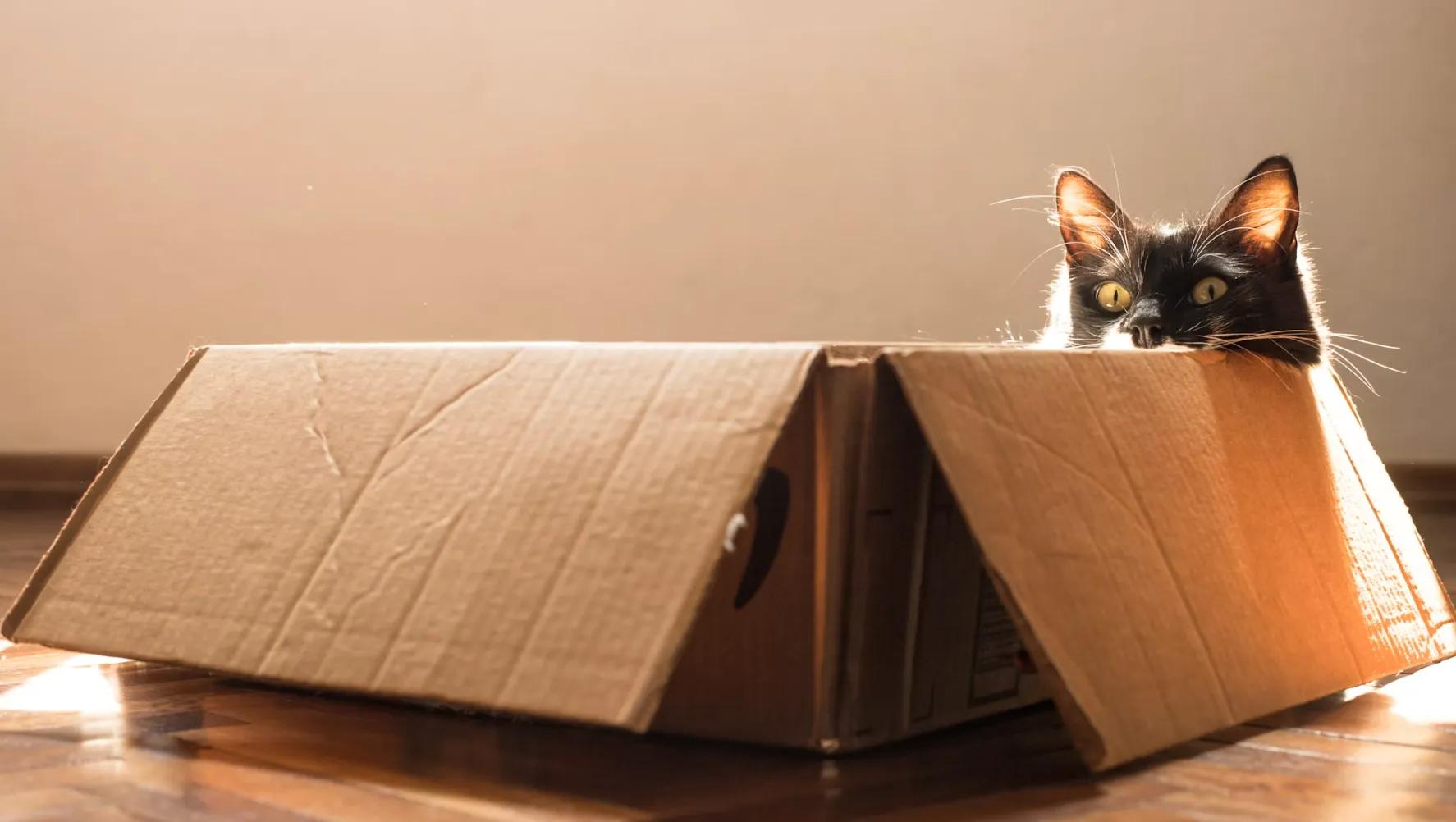
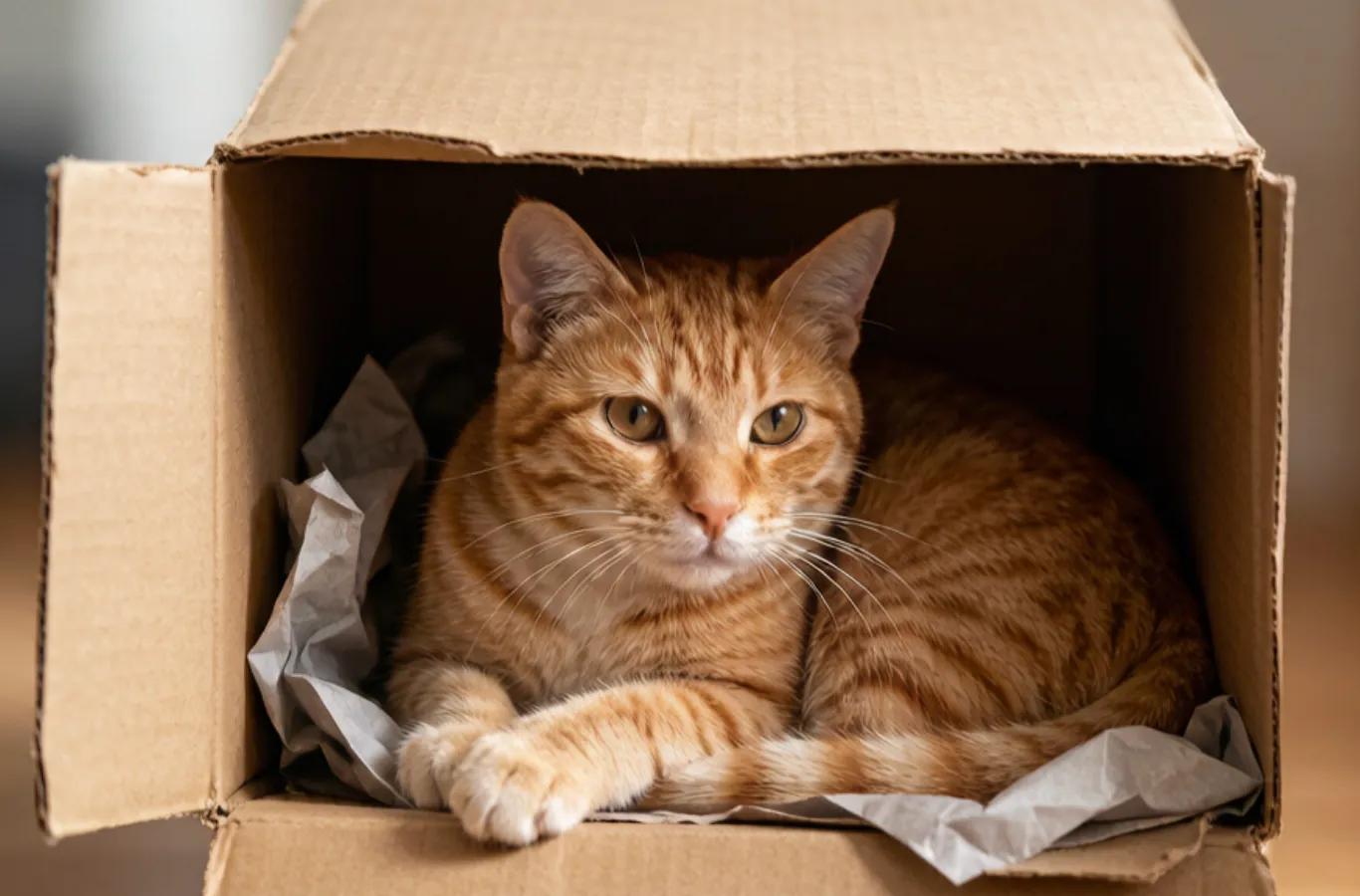
Here's the uncomfortable data point every cat owner has seen and few have connected. Your cat's favorite things, in order, are usually: a cardboard box, a paper bag, a patch of sun, a high shelf, and maybe one specific toy they love.
That's not random. It maps exactly to what a cat actually needs — and none of it is sold in the pet aisle.
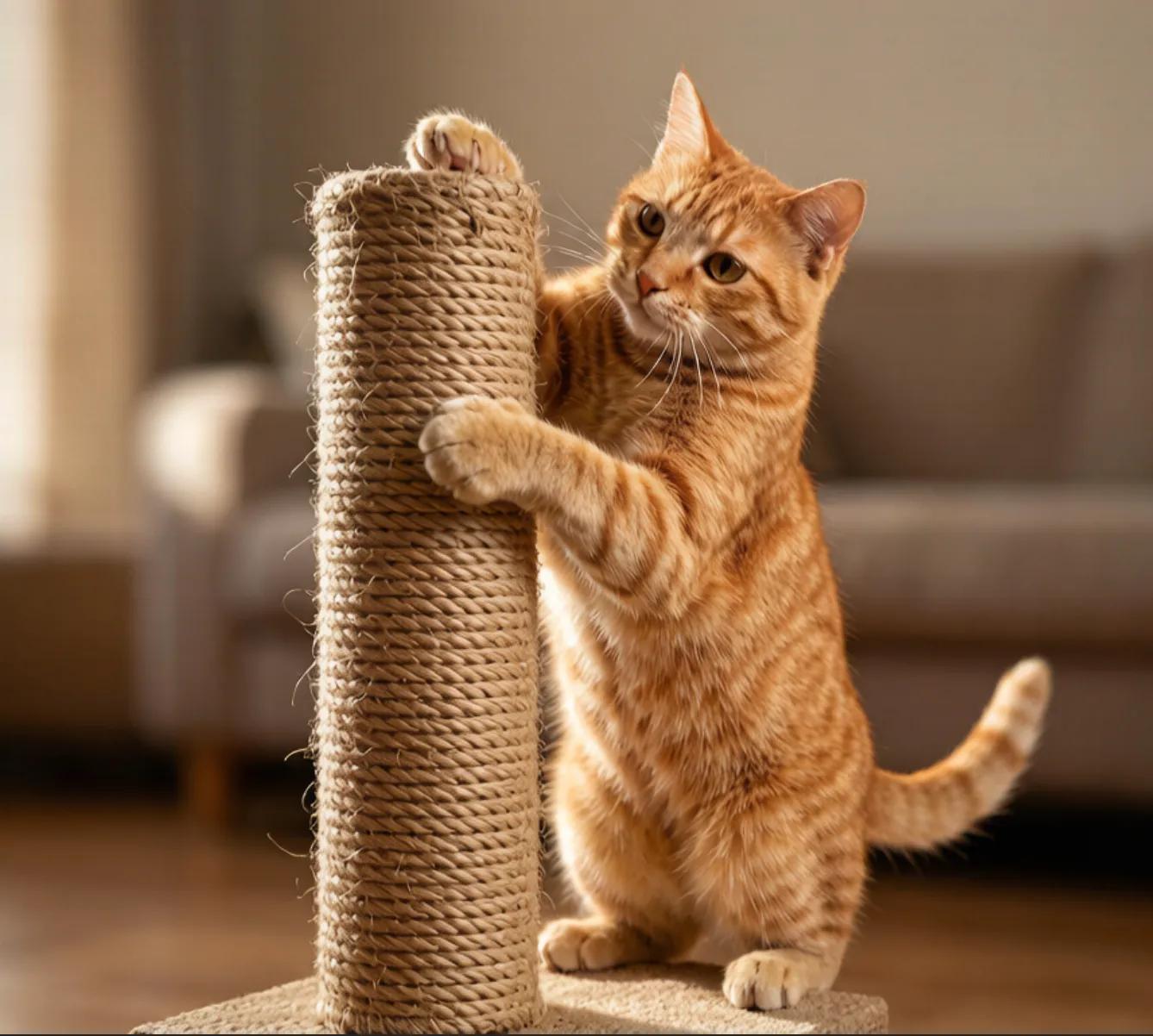
Let's break down what a cat actually wants from a home, from the people who study this for a living. The Ohio State University's Indoor Pet Initiative lists a cat's basic needs as: vertical space to perch, safe hiding spots, scratching outlets, a clean litter box per cat, and interactive play [3]. Cornell's Feline Health Center adds that scratching is innate — you redirect it, you don't buy your way out of it [4].
Now notice what's not on that list. No auto-toy. No gadget. No "enrichment center." The things that actually move the needle are free or nearly free: a shelf at the right height, a cardboard box in a quiet corner, a clean litter box, and ten minutes of your attention with a wand toy.
This is where I have to push back on my own industry's messaging. A gadget that plays with your cat by itself isn't enrichment. Enrichment is interactive, and interactive means you. OSU is clear on this: daily interactive play is a core need [3]. A machine can't replace the person your cat is actually bonded to.
So the next time you're tempted to buy a self-playing toy, remember: the cardboard box your delivery came in is doing more for your cat than the gadget ever will — because the box satisfies a real hiding need, and the gadget satisfies a marketing one.
What actually moves the needle: three free upgrades
If buying isn't the answer, what is? The good news is that the highest-leverage changes to your cat's quality of life cost almost nothing. Here are the three I'd do before spending another dollar.
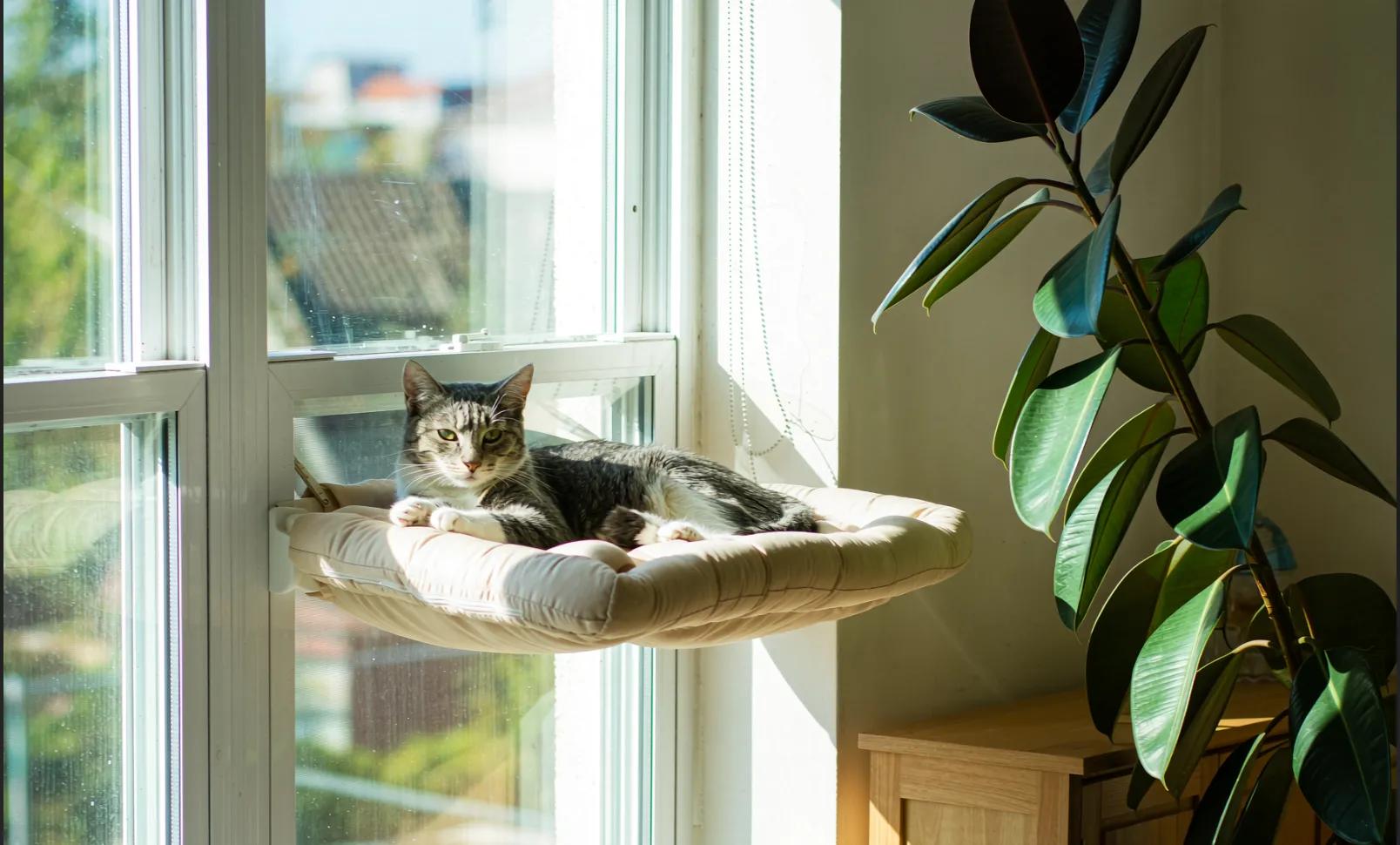
1. Add a perch your cat can reach. A cat wants to be up high. OSU calls a perch a must-have [5]. It doesn't have to be a cat tree. A sturdy shelf, a table by a window, a windowsill perch — anything that puts your cat above floor level and gives it a view. If you live in an apartment, this is the single biggest upgrade you can make, and it's basically free.
2. Give it a place to hide. Your cat needs somewhere quiet to retreat when it's overwhelmed [3]. A cardboard box, a covered bed, a cabinet top. This isn't luxury; it's the difference between a cat that's relaxed and a cat that's on edge. Next time you're about to throw out a box, think twice.
3. Schedule ten minutes of play — with you. This is the one "product" you can't buy: interactive play with the person the cat trusts. OSU's checklist treats it as core [3]. Ten minutes with a wand toy, twice a day, does more for your cat's wellbeing than a room full of gadgets. It also burns the energy that would otherwise become 3 a.m. zoomies.
Notice the pattern: none of these is in the pet aisle. They're design decisions and habits, not purchases. That's why they're so easy to skip — and why they matter so much.
The smart tech that earns its keep (and the rest that doesn't)
Let me be fair, because I don't want this to come off as "never buy anything." There is smart tech worth owning. The rule is simple: it's worth it when it does a chore you'd otherwise dread — not when it's a novelty.
The one category that consistently earns its keep is the automatic litter box. Scooping is the chore owners hate most, and in multi-cat homes it's a daily grind. A well-chosen automatic box genuinely removes that burden — but the category is also where the regret is highest. Owners on Reddit are split: the popular options are convenient but have real reliability headaches [6]. So if you buy one, buy on safety and fit, not on brand hype. Look for pinch sensors that guard against paw entrapment, weight sensors that identify which cat used it, and a cleaning cycle fast enough for your number of cats [7]. And know the real cost: $300–600 upfront, plus maintenance, plus the fact that you'll still empty it [2].
An automatic feeder earns its keep if you're away during feeding times or need portion control. A pet camera is a nice-to-have for trips, not a need. And most "smart toys"? Skip them. They're solving a problem you don't have.
The test I use before any purchase: does this handle a task I'd otherwise do, or is it just clever? If it does a job, it pays for itself. If it's just clever, it ends up on a shelf — next to the cardboard boxes your cat prefers.
I've fallen for the clever one plenty of times. A self-rolling ball that my cat watched once, then ignored forever. A "smart" bed she refuses to sit in. Each one taught me the same lesson the expensive way: if it isn't doing a chore I'd otherwise hate, it isn't earning its shelf space.
The cleaning truth: a system beats a gadget
Let's hit the other thing people overspend on: cleaning.
The reality with a cat is that cleaning is a daily system, not a weekly event. And the expensive version of "buying your way out" often doesn't even work.
Cat hair, for example. The fix isn't one magic product. It's prevention (regular brushing) plus the right removal tools — a pet-hair vacuum, a rubber brush, lint rollers. Testers at Good Housekeeping and RTINGS spent real effort finding vacuums that don't clog or spit hair back [8]. That's a tool you use as a system, not a gadget you hope works.
Cat urine smell is the same. Ordinary ammonia cleaners often make it worse because they don't break down the uric acid crystals in the stain [9]. The actual fix is an enzyme-based cleaner [9]. You don't need a fleet of odor sprays; you need the one product that chemically does the job, used regularly.
Here's the uncomfortable part: the most effective cleaning "upgrade" is just daily scooping. It's free, it's boring, and it does more for your home's smell than any air freshener. The system beats the gadget every time.
Why this matters more than you think
I want to end on the real reason this matters, beyond saving money.
Your cat's home is the single biggest factor in its wellbeing that you control. And here's the thing: a home that's well-designed around a cat's needs is a calmer cat — and a calmer cat is a happier household. That's not a product. That's a decision about how you arrange what you already have.
The pet industry will never tell you this, because it doesn't make money off it. A free shelf you moved to the right height? No revenue. A cardboard box you didn't throw away? No revenue. Ten minutes of play? No revenue. But these are the things that actually work.
So here's my challenge to you. Before you buy another thing for your cat, do the three free upgrades: add a perch, add a hiding spot, schedule ten minutes of play. Give it two weeks. Then see if your cat seems less interested in the stuff you already have — and more interested in the home you built.
The takeaway
One line, the whole argument: your cat doesn't need more stuff. It needs a better home.
Buying is easy and feels productive. Designing is harder and actually works. The next time marketing whispers that the answer is the next product, remember what your cat is actually asking for: a place up high, a place to hide, a clean box, and you. None of those are in the pet aisle.
Furpick.app is a participant in the Amazon Services LLC Associates Program and other affiliate programs. We may earn from qualifying purchases. Content from Amazon and other retailers is provided 'as is' and subject to change. All trademarks are the property of their respective owners.