Why Punishment Doesn't Work on Cats (and What to Do Instead)


Let me start with a confession: I used to squirt my cat. Not a lot, and never hard — just a quick spritz when she clawed the sofa. It felt like the right move. She'd stop, look at me, walk off. "See?" I told myself. "It works."
It took me a while to realize what was actually happening. She wasn't learning not to scratch the sofa. She was learning to scratch the sofa when I wasn't watching. And she was starting to flinch when I walked by.
I wasn't training my cat. I was teaching her to be scared of me.
Here's the uncomfortable truth that a lot of pet advice doesn't want to admit: punishment doesn't train cats. It teaches them fear — and fear is the root of a surprising number of the "bad behaviors" people are trying to fix.
There are about 49 million cat-owning households in the US [1], and most of them have tried some form of punishment-based "correction" at some point. So this isn't about blaming anyone. It's about understanding why a method that feels intuitive actually backfires — and what to do instead.
Why Punishment Feels Like It Works (and Why That's the Trap)
Here's the thing about punishment: it produces an instant result. Your cat scratches the couch, you squirt it, it stops. Done. Problem solved, right?
Not quite. What you're seeing is suppression, not learning. The cat stops scratching — but only because you're there. The moment you leave the room, the behavior comes back. The MSD Veterinary Manual is explicit about this: punishment is not recommended because it only suppresses behavior while you're present, and it can make problems worse [2].
Think about it from the cat's side. A cat doesn't connect the punishment to the behavior. It connects the punishment to you.
What Punishment Actually Teaches Your Cat
Fear. Cornell's Feline Health Center is blunt: punishing a cat just makes it afraid of you [3]. And fear isn't neutral. Here's a number to sit with: 27% of cats surrendered to shelters for behavioral reasons were given up because of aggression [3].
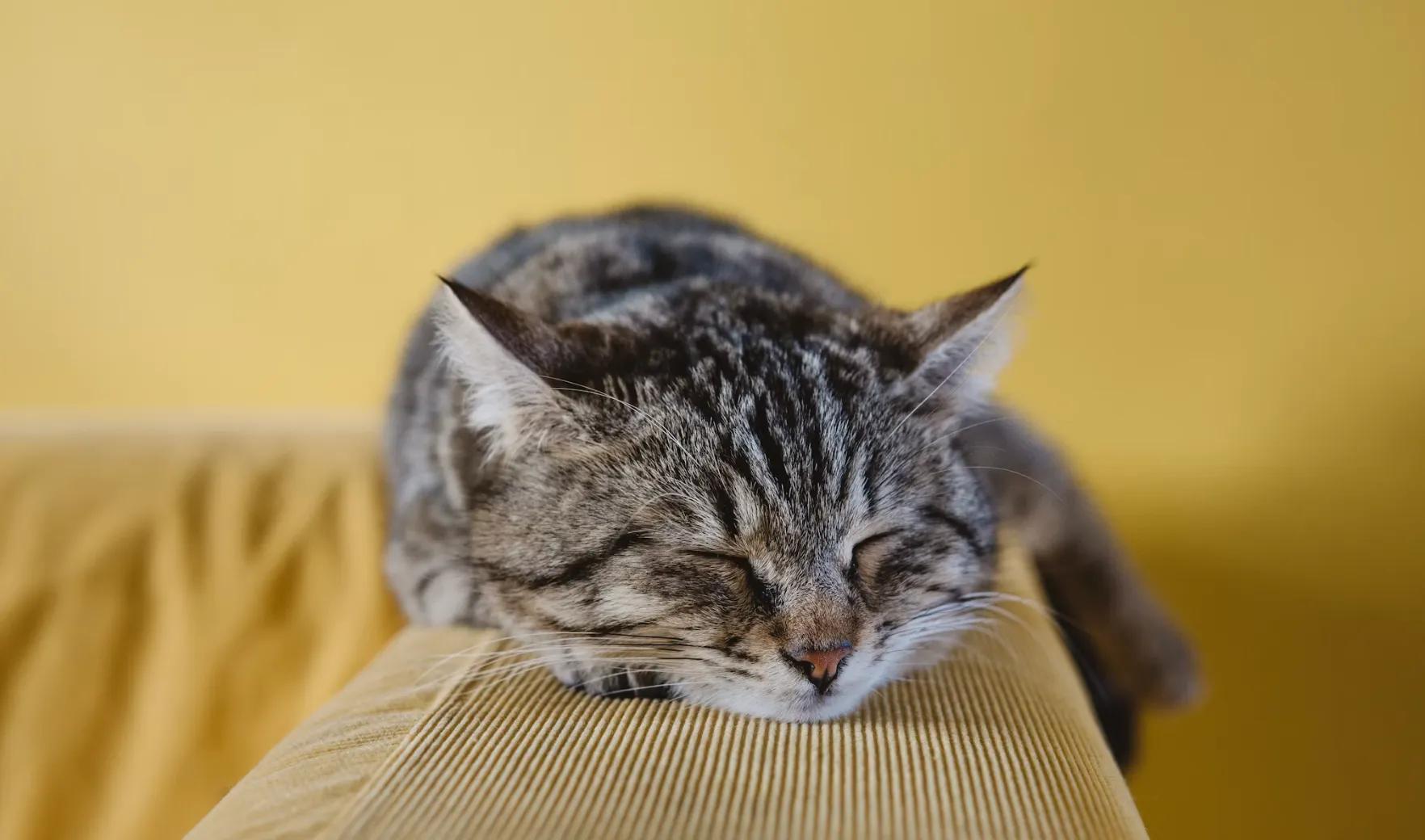
A cat that's afraid of you hides more, stops trusting your hands, may escalate to defensive aggression, and acts out when you're not there. That's the tragic cycle: punish → fear → act out → punish → more fear.
The Science: Why Positive Reinforcement Actually Changes Behavior
A 2020 systematic review and meta-analysis looked at 34 studies of conditioned reinforcement — that's clicker training and similar reward-based methods — and found a large mean effect size (Tau-U 0.77) on behavior change [4]. Reward-based training reliably changes behavior.
Positive reinforcement builds a different association, changes behavior at the source, and targets the actual need. And here's a counterintuitive finding: 63% of cats prefer non-food rewards [5]. For many cats, a good play session is the reward.
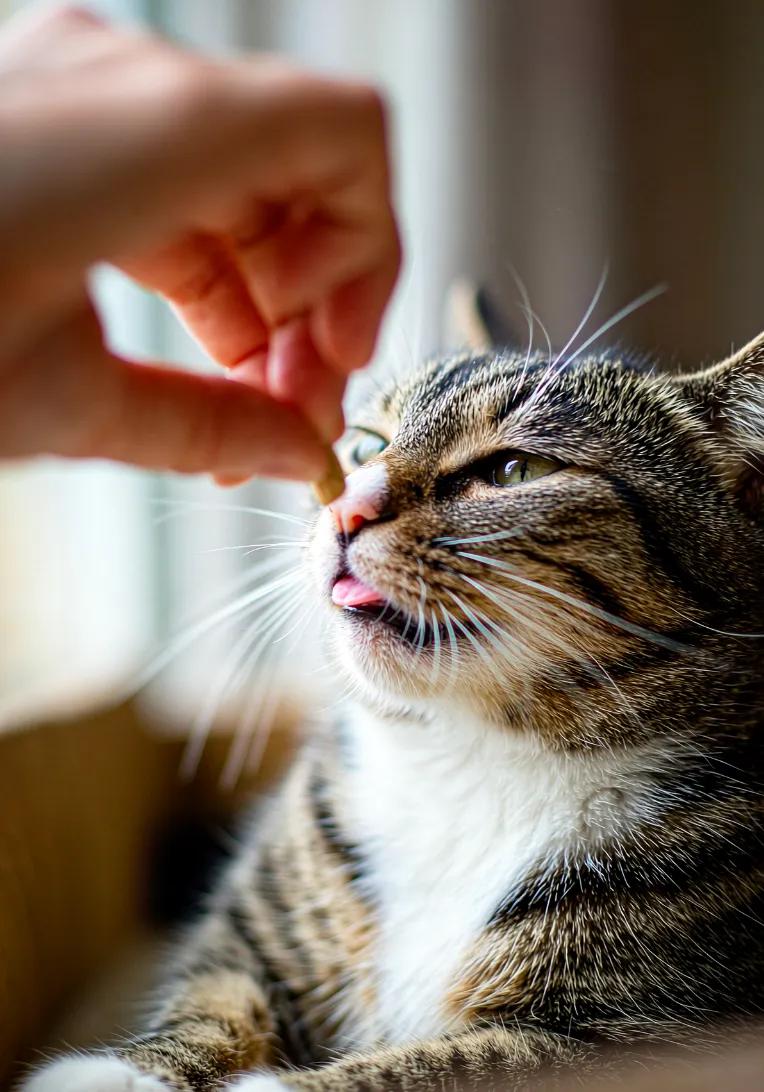
The Five Tools That Replace Punishment
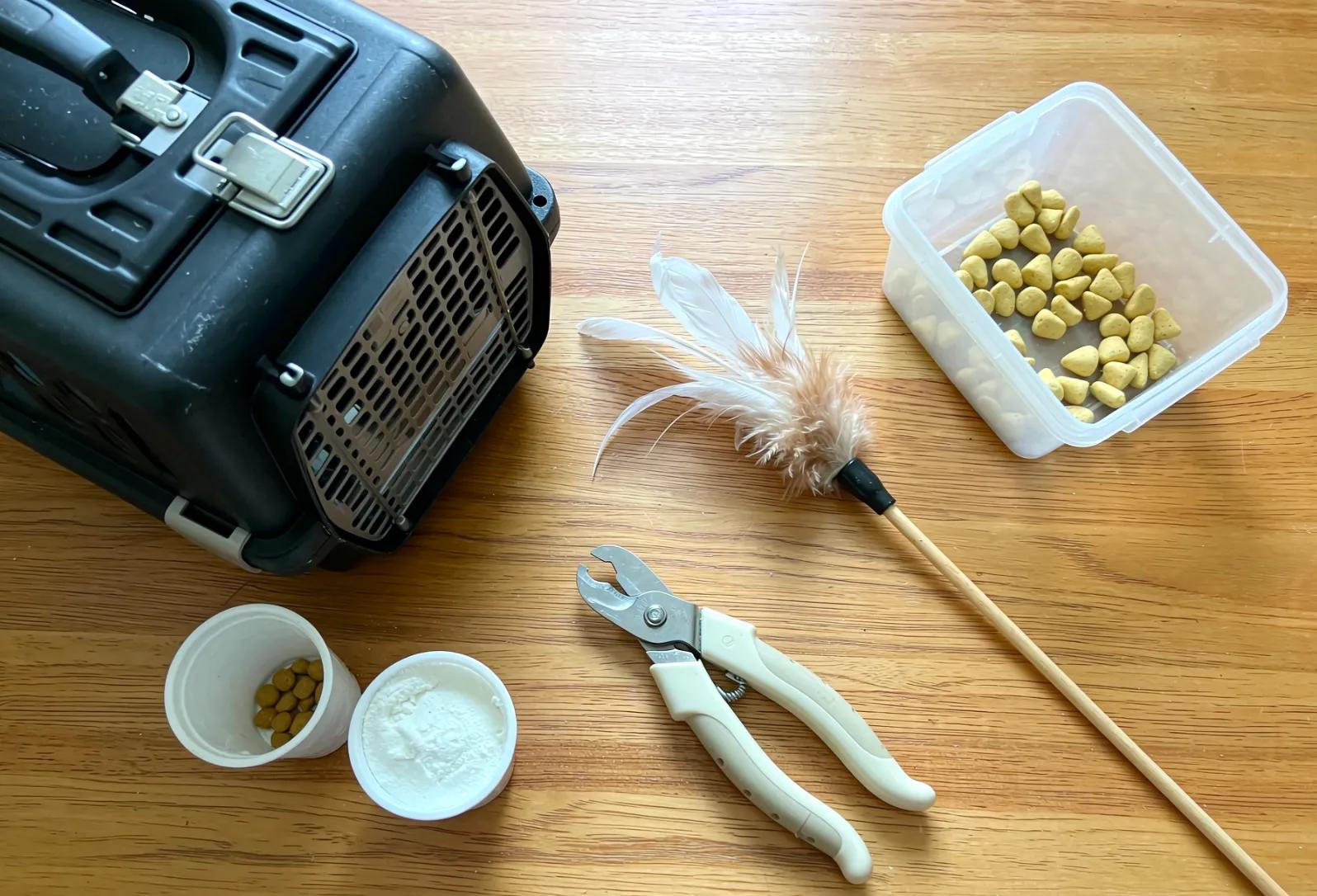
- Capturing — reward behaviors your cat already does.
- Luring — use a treat to guide a behavior.
- Targeting — teach your cat to touch a target, then move it anywhere.
- Shaping — break a behavior into tiny rewarded steps.
- Conditioned reinforcers — a click or word that marks the right moment.
None of these require force. They build trust — and that trust makes your cat want to cooperate.
How to Switch From Punishment to Positive
Don't beat yourself up — almost everyone tries punishment at some point. To make the switch: remove the punishment tools, find your cat's real reward, pick one behavior to reward, manage the environment, be consistent, and when it's not working, investigate (rule out medical causes) instead of punishing.
The One Thing Punishment Can't Fix: Medical Problems
Some "bad behaviors" are medical problems wearing a behavior costume. A cat that suddenly pees outside the box might have a urinary tract issue. A cat that's suddenly aggressive might be in pain [3]. Neutering helps about 90% of cats reduce or stop urine spraying [2] — a biological fix, not a training fix.
The Takeaway
Punishment feels like a shortcut, but it's a dead end. Positive reinforcement is slower at first, but it actually works — and it builds trust. I'll be honest: it took me longer to unlearn punishment than it took my cat to learn positive. But once I let go of the squirt bottle, the flinching stopped, and my cat started cooperating on her own.
You can't punish a cat into being good. You can only reward it into being cooperative.
Furpick.app is a participant in the Amazon Services LLC Associates Program and other affiliate programs. We may earn from qualifying purchases. Content from Amazon and other retailers is provided 'as is' and subject to change. All trademarks are the property of their respective owners.