Why Is My Cat Walking Wobbly? A Vet's Diagnostic Path
You come home and your cat is walking like it just had a few too many. It staggers, wobbles, lists to one side. Maybe its head is tilted, or its eyes are flicking oddly. You freeze. Is this an emergency? Do I rush to the vet tonight?
Here's the first thing to know: you're not overreacting, and this isn't something to wait on. A suddenly wobbly cat is a veterinary red flag, and the sooner a vet looks at it, the better [1].
But there's also good news: vets now have a clear, step-by-step way to work through what's wrong — and just recently, a new guideline on diagnosing gait disorders in dogs and cats laid that path out in detail [2]. Understanding how a vet will investigate your cat's wobble isn't just about calming you down. It means you'll know what to expect, what to tell them, and why each test matters.
Let me walk you through the diagnostic path a vet follows for a wobbly cat — and what you should do first.
First, don't panic — but do act
Before we get into the vet's process, the single most important question: when is a wobbly cat an emergency?
Go to the vet immediately (same day, ideally now) if your cat:
- Suddenly became wobbly or can't stand
- Is falling over, circling, or stumbling repeatedly
- Has a head tilt, or its eyes are flicking back and forth (nystagmus)
- Is vomiting, very weak, or having seizures
- May have been exposed to a toxin (like a dog flea treatment) or had a fall/trauma [3]
These aren't "watch and wait" situations. Ataxia — the medical term for incoordination — can stem from serious, fast-moving causes like poisoning, stroke, or brain problems, so it's better to let a vet rule those out quickly [3][4].
When it can wait until morning: if the wobble is mild, came on slowly, and your cat is otherwise eating and acting normally, a call to your vet tomorrow is fine. But even then, don't ignore it — new unsteadiness deserves a professional look, not a few days of observation [3].
Step 1: Rule out orthopedics first
Here's a surprisingly common trap, and it's the first thing a good vet checks: is this actually a nerve problem, or is it a bone and joint problem pretending to be one?
A cat with a fractured leg, a dislocated joint, or a ligament injury can limp, stagger, or refuse to use a limb — looking a lot like a neurological problem. The newest diagnostic guideline is explicit about this: rule out orthopedic (bone/joint) causes before assuming it's neurological [2]. This is a "save the owner from a needless MRI" step — if the wobble is really a broken toe, treating the bone fixes it, and no brain scan is needed.
So your vet will start with a physical exam, palpating the legs, checking for pain, swelling, or a limp that points to injury rather than the nervous system [2][3].
Step 2: Localize the problem (where is the wobble from?)
If it's not orthopedic, the next question is where in the nervous system the problem lives. Vets do this with a neurological exam, and the answer usually falls into one of three buckets [4]:
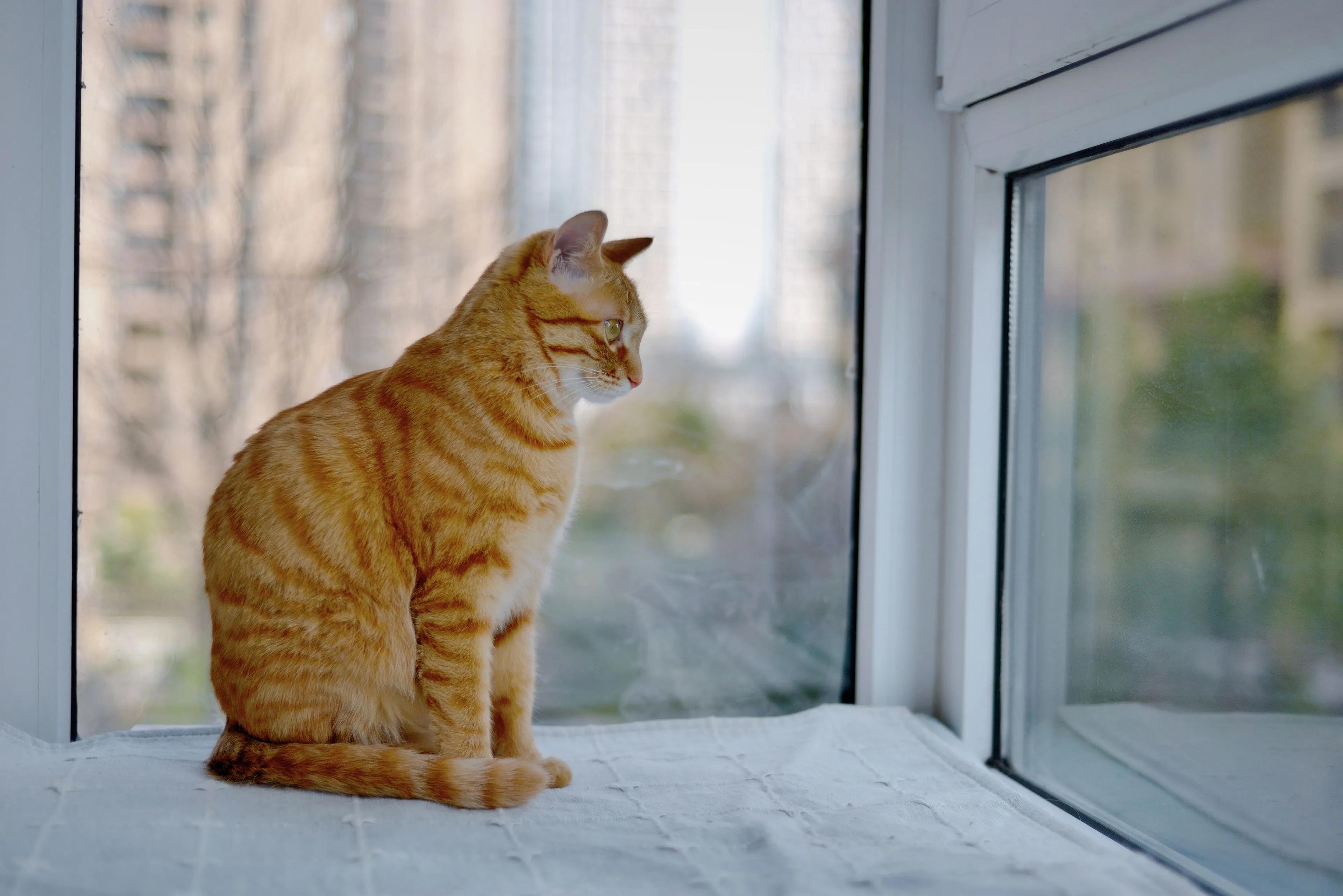
1. Vestibular ataxia — the "head tilt" type. This comes from the inner ear or brainstem. Classic signs: head tilting to one side, eyes flicking (nystagmus), circling, falling, and sometimes nausea [1][4]. It's one of the most common causes of a suddenly drunk-looking cat.
2. Sensory ataxia — the "dragging legs" type. This comes from the spinal cord. Signs: weakness, stiff or uncoordinated steps, and sometimes dragging a back leg. Think spinal cord compression or a stroke-like event [4].
3. Cerebellar ataxia — the "high-step" type. This comes from the cerebellum (the balance-and-coordination center). Signs: exaggerated, high-stepping movements and tremors, but usually not weakness [4].
This localization is the heart of the diagnostic path — once the vet knows which system is involved, the list of possible causes narrows dramatically [2][4].
Step 3: Basic tests, then imaging
With a location in mind, your vet runs tests to figure out why. This is a step-up approach — start with the cheap, common ones, and bring out the big guns only if needed [3].
First, basic tests:
- Bloodwork — checks for electrolyte problems (low potassium is a real and common cause of weakness in cats, especially cats with kidney disease [5]), plus anemia, infection, or organ issues
- Urinalysis — can help spot kidney or metabolic problems
- Ear exam — because middle/inner ear infections are a leading cause of vestibular signs [1]
- X-rays — if trauma or spine problems are suspected [3]
If the cause still isn't clear, your vet escalates to advanced imaging:
- MRI or CT — to look at the brain, inner ear, and spinal cord in detail
- CSF (cerebrospinal fluid) analysis — to check for inflammation or infection
- Possibly a referral to a veterinary neurologist [3]
Not every cat needs every test. The goal is to find the answer with the least invasive, most cost-effective combination — and to treat the actual cause, not just the symptom [3].
Step 4: Identify the cause
This is where the diagnostic path pays off. Once the vet has localized the problem, they work through a checklist of possible causes — a mnemonic called DAMNIT-V that vets use to make sure nothing is missed [2]:
Different types cause different patterns. A vestibular problem points toward the ear or brainstem (infection, tumor, or that common mystery case: idiopathic vestibular disease — cause unknown, but often self-resolving) [1]. Low potassium points toward the kidneys. A high-step wobble in a young cat points toward something congenital.
The good news about many of these: they're treatable. An ear infection clears with the right medication. Low potassium corrects with supplementation (under a vet's care). Even the "mystery" vestibular cases usually resolve on their own within a few days [1][5].
What you can do right now
While the vet handles the diagnosis, here's your part — it genuinely matters:
Record it. If your cat's wobble comes and goes, take a short video. A few seconds of the actual episode is gold for a vet who only sees your cat standing still [3].
Bring the facts. When did it start? Sudden or gradual? Any falls, fights, or access to medications, dog flea treatments, or plants? Cats hide things, but you might spot a clue [3].
Don't medicate on your own. Don't give your cat human medicine, or dog medicine, or supplements you read about online. That can make things worse — for example, some common dog flea treatments are genuinely dangerous for cats [3][4].
Keep them safe. While your cat is unsteady, limit stairs and high surfaces, and use a low-sided litter box so they don't fall [3].
The takeaway
Here's the one-line version: a suddenly wobbly cat is a "see a vet now" situation — but vets have a clear diagnostic path to follow, and many causes are treatable.
The path is simple to understand: rule out bones and joints first, localize the problem to the vestibular system, spinal cord, or cerebellum, run bloodwork and imaging as needed, then work through the causes with a structured checklist. A new guideline on diagnosing gait disorders has formalized exactly this — good news for owners who want their cat seen and treated properly.
Don't panic. Do act. Record the symptoms, get to a vet, and let the diagnostic path do its work. Most wobbling cats can be helped — and with a clear path in front of the vet, your cat has the best chance of getting back on steady paws.
Furpick.app is a participant in the Amazon Services LLC Associates Program and other affiliate programs. We may earn from qualifying purchases. Content from Amazon and other retailers is provided 'as is' and subject to change. All trademarks are the property of their respective owners.