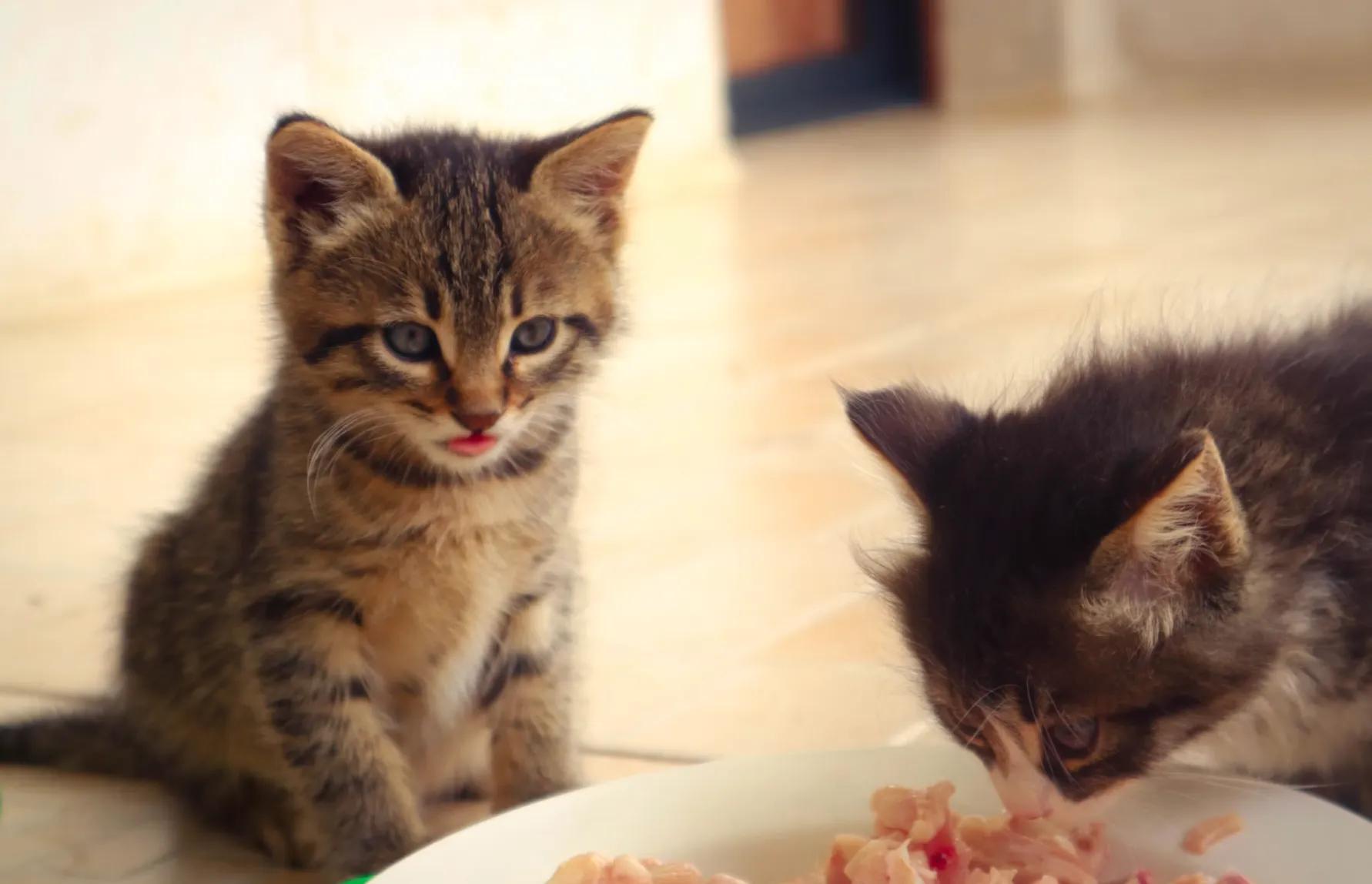
How Long Does Cat Food Last Before It Goes Bad? One Handy Chart
How Long Does Cat Food Last Before It Goes Bad?
One Handy Chart 🐾
That bowl of kibble in the corner has been sitting out since 7 AM. Now it's 9 PM — fourteen hours at room temperature.
"Dry food," most people shrug, "it can't go bad." I shrugged the same way for years, until I started reading the food-safety research.
Here's the uncomfortable part: dry food isn't dangerous when it looks bad. It's dangerous in the window when everything looks perfectly normal.
So here's the part worth acting on: a chart you can actually save — the four most common storage scenarios, one glance. Save it, stop second-guessing.
1 · "Bad" Isn't About Looking Bad
Before the timeline, one thing to get straight: cat food going "bad" isn't the same as "smells funny" or "looks moldy."
Spoilage happens when pathogens multiply in the right conditions and produce toxins. Once something like Salmonella, Listeria, or Staphylococcus aureus gets in there, it's a different story — vomiting, severe diarrhea, even meningitis or sepsis.
Cat food isn't "dangerous when it looks bad" — it's "dangerous during the window when you think everything's fine."
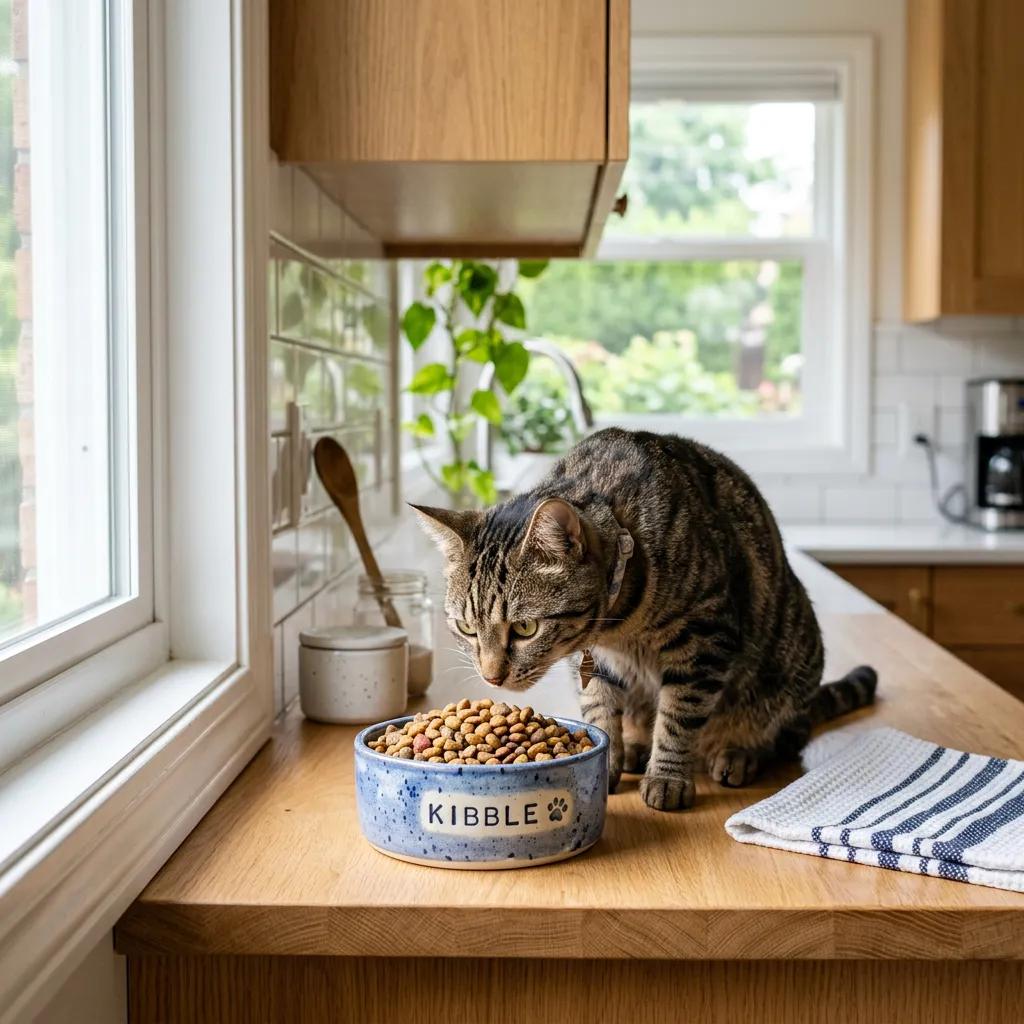
2 · Kibble Left in the Bowl: 0–7 Days
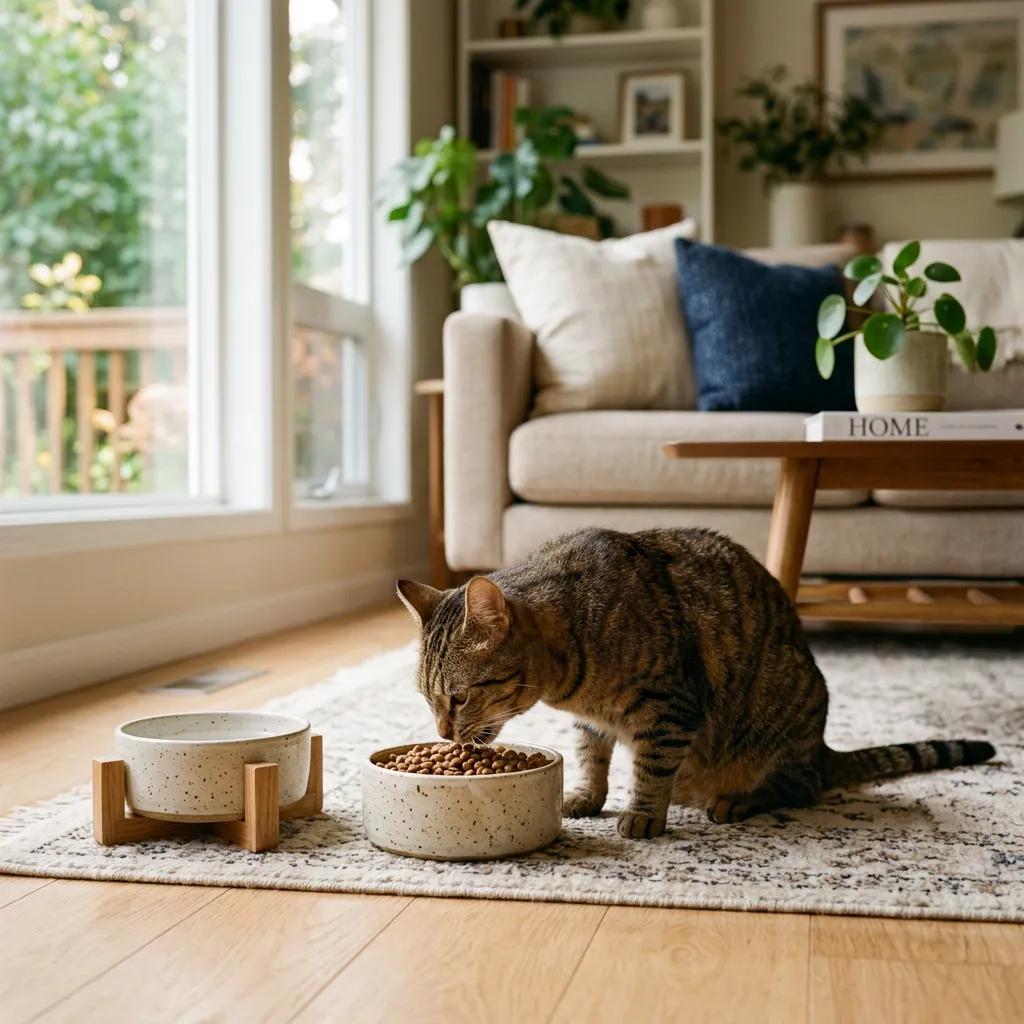
A study from Hartpury University found that regardless of bowl material, bacteria counts showed a significant difference from day 0 to day 7, and day 0 to day 14 (p < 0.05) — in plain English, the bacteria really did multiply, not by coincidence.
Leave kibble in the bowl for a week, and the pathogens (like Salmonella and MRSA) genuinely multiply.
3 · Canned & Rehydrated Food: 2 Hours
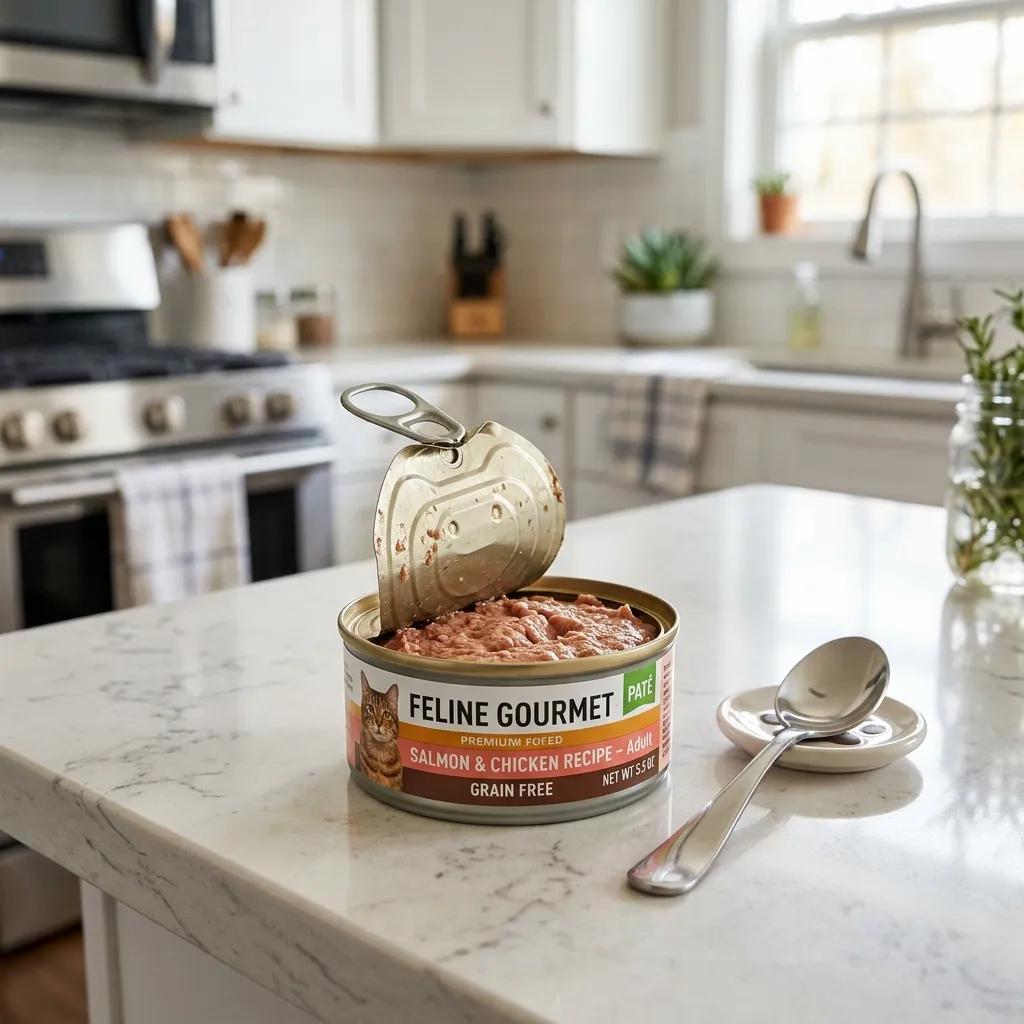
The tough answer: wet food needs to be eaten within 2 hours, or refrigerated.
A 2016 study in the International Journal of Food Contamination found the bacteria's lag time was 2.2 to 4.4 hours at 86°F (30°C). Once that lag passes, they explode to 10⁷ CFU/g — over ten million per gram.
4 · Opened Dry Food Bag: 1–2 Months
Even though dry food doesn't support heavy bacterial growth, once contaminated, pathogens can survive a long time. Salmonella can survive at least 570 days in dry pet food.
Key move: squeeze out the air, use an airtight container. Eat it within 1 to 2 months.
5 · Vacuum-Sealed Portions: 120 Days
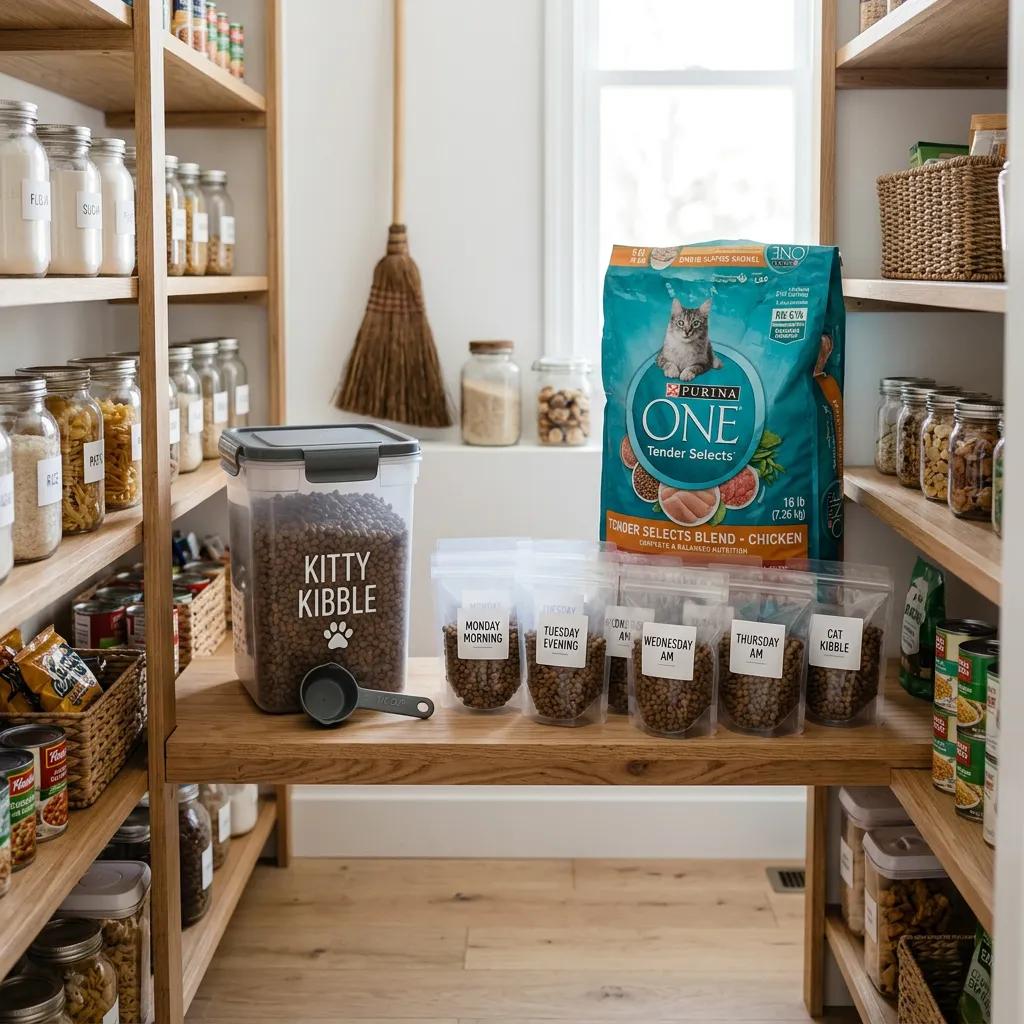
A 2025 study found dry food stored in strictly humidity-controlled lab conditions for 120 days showed minimal microbial growth. But your home isn't a lab — eat vacuum-sealed portions within 4 months.
| Scenario | How Long | Key Reminder |
|---|---|---|
| Kibble in bowl | 0–7 days | Change & wash daily |
| Canned / wet | 2 hours | Toss or refrigerate |
| Opened, sealed | 1–2 months | Squeeze out air |
| Vacuum-sealed | 120 days (4 mo) | Humidity speeds it up |
The more moisture, the faster it spoils.
Wet food in hours · dry food in days · portioned food in months
Being a cat parent isn't about whose cat food costs more. It's about who cares more.
🐱 To the little felines — may you always eat fresh, healthy food.
☕ To the pet parents — may you always stay happy and hydrated.
Furpick.app is a participant in the Amazon Services LLC Associates Program and other affiliate programs. We may earn from qualifying purchases. Content from Amazon and other retailers is provided 'as is' and subject to change. All trademarks are the property of their respective owners.